

Three days is enough to see the essentials of London if you plan by area: one day for royal London around Westminster and Buckingham, another for the City and the South Bank of the Thames, and a third for museums, parks and Notting Hill. This is the 3-day London itinerary we recommend, designed for a first trip, with what to book, what each ticket costs in 2026 and what's free (which, in London, is a lot).
Every place on this route is saved in our London map for Google Maps, and you'll find all the details (cafes, restaurants by type, hotels by price, summer and winter plans and the 2-week itinerary) in our London travel guide in PDF.
The itinerary at a glance
- Day 1: Westminster (Big Ben, Parliament and the Abbey), the Changing of the Guard at Buckingham Palace, St. James's Park, Trafalgar Square with the National Gallery, and Covent Garden.
- Day 2: the Tower of London and Tower Bridge, Borough Market, the South Bank to Tate Modern, St Paul's Cathedral and the London Eye at sunset.
- Day 3: the British Museum or the South Kensington museums, Hyde Park and Notting Hill, with an evening in Soho or the West End.
Before you go: what to keep in mind
- Passport and ETA: you can no longer enter the UK with a Spanish national ID card. And since April 2025, Spanish citizens need an ETA (Electronic Travel Authorisation): you apply on the official app or on gov.uk, it costs £20 and it's valid for 2 years.
- Lots of museums are free: the British Museum, the National Gallery, Tate Modern, the Victoria and Albert and the Natural History Museum don't charge admission (only temporary exhibitions do).
- What to buy in advance: the Tower of London (£37 per adult), Westminster Abbey (£32; open Monday to Saturday, on Sundays for worship only) and the London Eye (from £29 online; it's quite a bit more at the ticket office). Prices change, so check them on the official websites before you go.
- London Pass: it can be worth it if you're visiting lots of paid attractions, but note that it doesn't include transport.
Getting around
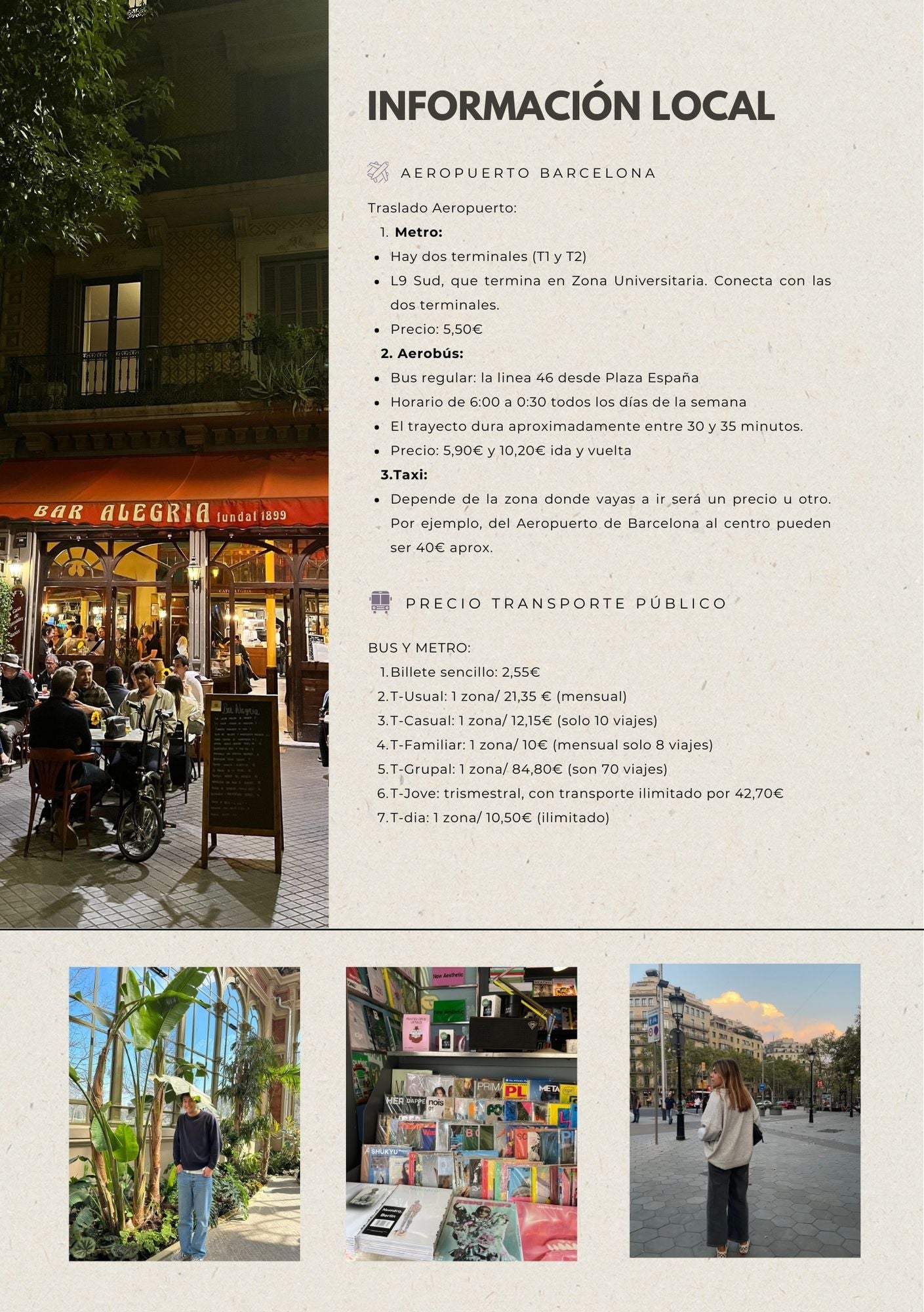
The easiest way is the Tube and buses, paying with a contactless card or phone: tap the reader, pay the same as with an Oyster card, and there's a daily cap. In 2026, a bus ride costs £1.75 (£1.85 from November), the Tube in zone 1 costs £3 to £3.10, and the daily cap for zones 1-2 is £8.90. From Heathrow, the Heathrow Express gets to Paddington in about 15 minutes, and the cheaper Elizabeth line takes 30-35. From Gatwick, the Gatwick Express takes about 30 minutes.
Where to stay for 3 days
With so few days, stay in zone 1 or very close to it so you don't waste time commuting: Covent Garden, Soho, Holborn, Victoria or Paddington all work really well. In the guide we sort hotels by price. A few examples: Wombat's City, Smart Hyde Park, YHA London or Astor Victoria on a budget, and other well-located options like The Z Hotel Holborn, Nox Paddington, Mimi's Hotel Soho, The Henrietta or NoMad (Covent Garden), depending on your budget.
Day 1: Westminster and royal London
Morning: start in Westminster with Big Ben and the Palace of Westminster (Parliament), then head into Westminster Abbey, where British monarchs have been crowned for centuries. If you want to see inside, go first thing with your ticket already booked. Then walk through St. James's Park to Buckingham Palace for the Changing of the Guard: it starts at 11:00, usually on Mondays, Wednesdays, Fridays and Sundays (dates change, so check the official calendar first). It's free, but get there early to grab a spot in front of the gates or on the steps of the Victoria Memorial.
Afternoon: walk up The Mall to Trafalgar Square and go into the National Gallery, which is free and has one of the best painting collections in Europe. From there, you're five minutes from Covent Garden, with its covered market, shops and street performers. If you fancy a coffee or a late brunch, Balthazar is right there.
Evening: have dinner in Soho and round off the day with a musical in the West End, London's answer to Broadway. If you're not in the mood for theater, a pint in a Covent Garden pub is a great way to end the day too.

Day 2: the City and the South Bank of the Thames
Morning: start the day at the Tower of London, the fortress William the Conqueror built in the 11th century and home to the Crown Jewels. Allow two to three hours. Afterwards, walk across Tower Bridge, the most photographed bridge in the city.
Midday: head along the South Bank to Borough Market in Southwark, London's most famous food market. It's the perfect place for lunch, trying a bit of everything.
Afternoon: keep walking along the river to Tate Modern, the modern art museum housed in a former power station (free). Right across from it, cross the Millennium Bridge for a close-up look at St Paul's Cathedral. Then head back along the South Bank to the London Eye: going up at sunset is one of the best moments of the trip. Each rotation takes about 30 minutes.
Evening: have dinner on the South Bank, where there are lots of restaurants along the river, and take one last walk by the Thames to see Parliament and Big Ben lit up. Another way to see the landmarks from the water is a river cruise.
Day 3: museums, Hyde Park and Notting Hill
Morning: here you'll need to choose based on what you like. If you're into history, go to the British Museum, with artifacts from all over the world (pick two or three galleries, don't try to see it all). If you prefer art, design or science, go to South Kensington: the Victoria and Albert, the Natural History Museum and the Science Museum are right next to each other, and all three are free.
Afternoon: from South Kensington, head into Hyde Park, the big central park where Londoners hang out, and cross it heading north to Notting Hill. Wander its streets of colorful houses and, if it's Saturday, Portobello Road Market, London's best-known antiques and secondhand market.
Evening: have dinner in Notting Hill or head back to Soho, with its bars and live music, to say goodbye to the city.

Where to eat in London over these 3 days
In the guide we sort restaurants by type. Here are a few that fit this route:
- Breakfast and brunch: Balthazar (Covent Garden), Granger & Co (King's Cross and Notting Hill), Sunday in Brooklyn (Notting Hill) and Prufrock Coffee for a good coffee.
- Burgers: Honest Burgers, Patty & Bun or Blacklock.
- Pizza: Franco Manca, Zia Lucia or Rudy's Pizza.
- Food markets: Borough Market, Camden Market, Brick Lane and the Southbank Centre Food Market, by the Thames.
Our tip: markets are the cheapest way to eat well in London, especially at lunchtime.
If you have an extra day
The guide also has a 2-week itinerary. If you can stay longer, these are the plans we'd add:
- Camden Town: its market of alternative fashion, music and street food, plus the climb up Primrose Hill to see the skyline at sunset.
- Greenwich: the Royal Observatory, the Cutty Sark and Greenwich Market.
- Shoreditch and Brick Lane: street art, vintage shops and food from all over the world.
- Warner Bros. Studio Tour London – The Making of Harry Potter: with the original sets and props from the films (book ahead).
- Windsor or Hampton Court: day trips to two royal residences on the outskirts.
Our tips for seeing London in 3 days
- Group things by area: London is huge and getting around eats up time. This itinerary is designed so you can do almost everything on foot each day.
- Get up early for the paid sights: the Tower of London and Westminster Abbey are much more enjoyable first thing in the morning.
- Bring an umbrella: it can rain even in summer. According to our guide, the best times to go are late March and the last week of June and first week of July.
- Contactless for everything: each person should use their own card or phone so the daily cap works properly.
- Travel insurance: outside the EU, the European Health Insurance Card doesn't cover you the same way. We always travel with IATI Seguros.
If you're traveling as a group and want more pubs, gigs and markets, check out our weekend in London with friends plan too.
Take the itinerary on your phone
Download our London travel guide in PDF, with 3-day and 2-week itineraries, cafes and brunch spots, restaurants by type of food, hotels by price, summer and winter plans, markets, secondhand shops and practical info, or take every spot with you in the London map for Google Maps.